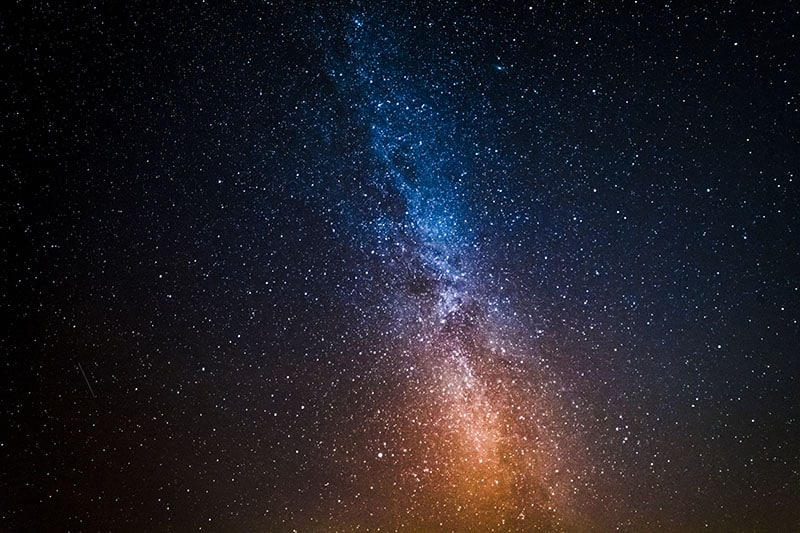
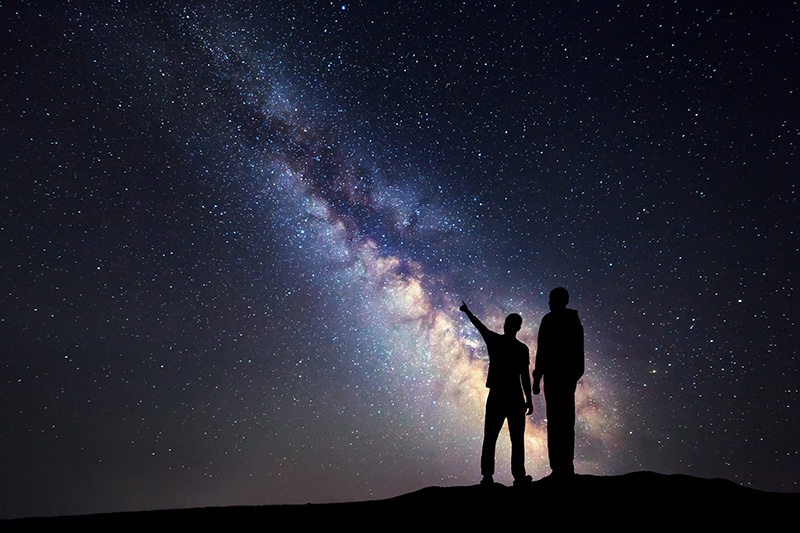
When night falls in the desert, the Kalahari reveals one of its greatest secrets. With almost no light pollution, the Kalahari night sky becomes a vast, uninterrupted canvas of stars.
For many visitors, this moment defines their entire experience.
Why the Kalahari Night Sky Is So Clear
Natural Darkness and Dry Air
The Northern Cape contains some of the darkest skies in the southern hemisphere. Sparse development preserves true darkness, while dry air sharpens visibility.
As a result, stars appear brighter and more detailed than in most regions.
Southern Hemisphere Constellations
Stars You Cannot See Elsewhere
The Southern Cross anchors the night sky, while Scorpius and Carina stretch across the horizon. The Milky Way often appears as a glowing band rather than a faint blur.
These constellations guided early travellers and continue to shape cultural storytelling.
Stargazing as a Sensory Experience
Silence Enhances Awareness
Without urban noise, the desert feels expansive. The stillness heightens awareness and encourages reflection.
Stargazing becomes immersive rather than observational.
Cultural Meaning of the Stars
For indigenous communities, the stars marked seasons and survival patterns. Sky movements signalled rainfall, migration, and hunting cycles.
Understanding this connection adds depth to the experience.
Why Desert Skies Feel Different
Urban environments divide attention. The Kalahari demands it. With no artificial glow, the sky dominates every sense.
According to the South African Astronomical Observatory, the Northern Cape offers exceptional astronomical conditions.
If you are curious about experiencing this environment in person, you can contact the team here.