The Kalahari may appear dry and unforgiving, yet it supports some of Africa’s most fascinating wildlife. Among its greatest survivors are the Kalahari antelope species South Africa is known for. These animals have adapted to survive in extreme heat, scarce water and vast open terrain.
Unlike forest antelope, Kalahari species rely on endurance and biological efficiency. As a result, they thrive in one of the toughest environments on the continent.
Why Antelope Thrive Here
The Kalahari experiences low rainfall and dramatic temperature shifts. Daytime heat can feel intense, while nights often turn cold.
However, antelope species here possess remarkable adaptations:
- They conserve water efficiently.
- They extract moisture from plants and roots.
- They tolerate higher internal body temperatures.
- They rely on sharp eyesight across open plains.
Because of these traits, Kalahari antelope species South Africa remain central to the region’s ecosystem.
Gemsbok: Desert Specialist
Built for Survival
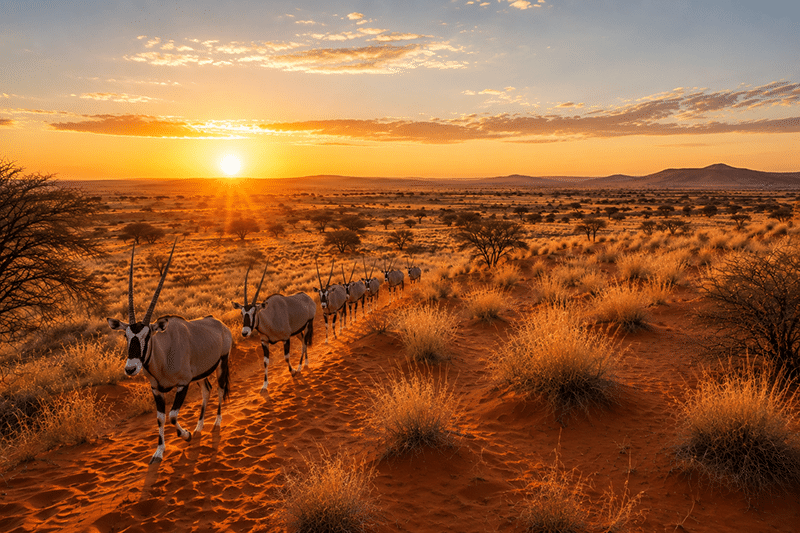
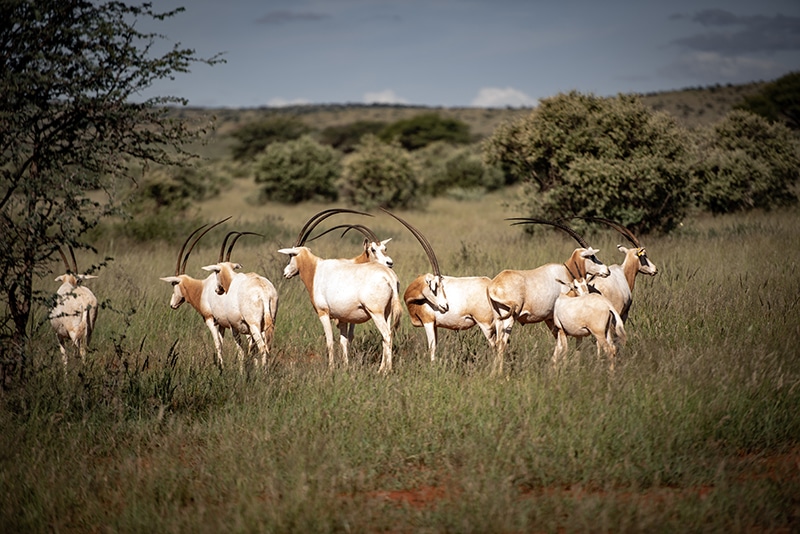
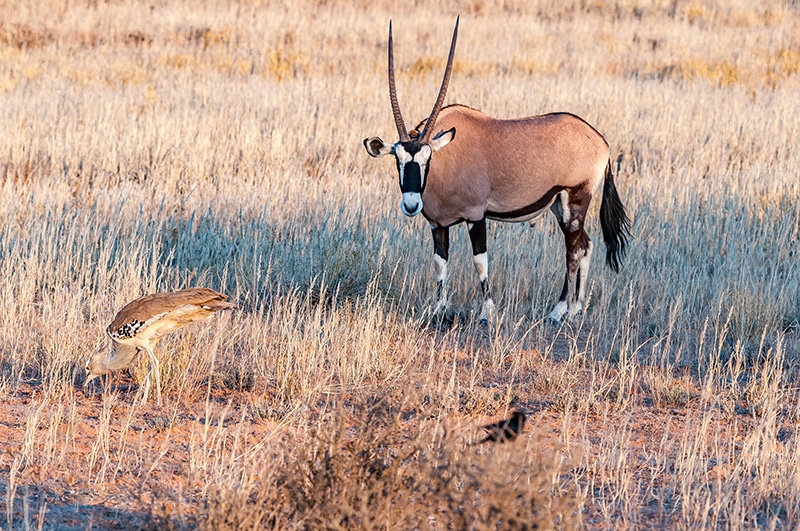
The gemsbok stands as the symbol of the Kalahari. Its long, straight horns and striking markings make it unmistakable.
More importantly, gemsbok survive with minimal water. They raise their body temperature during extreme heat to reduce sweating. They also dig for nutrient-rich roots during dry periods.
Seeing gemsbok against red dunes at sunrise reveals nature’s resilience in action.
Springbok: Agile and Adaptive
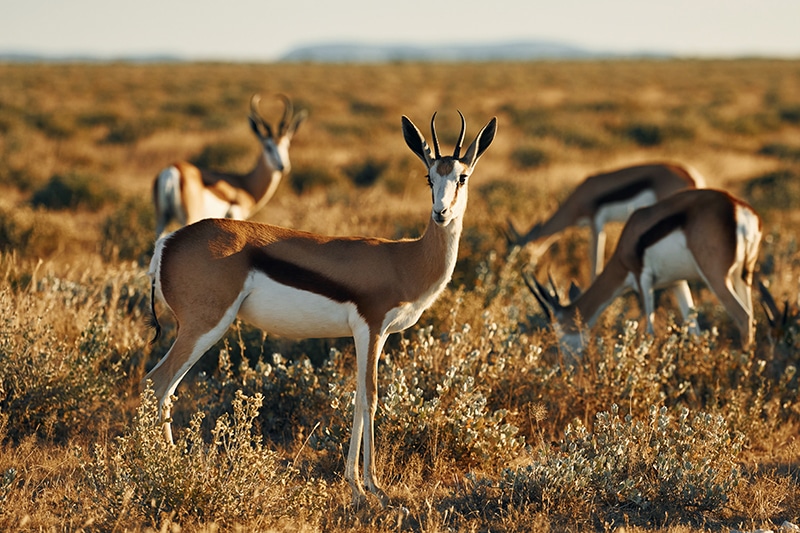
Springbok bring energy and movement to the plains. They travel in herds and perform impressive “pronking” jumps when startled.
Springbok survive long periods without drinking water. Instead, they rely on vegetation for moisture. When grazing conditions change, they migrate to better areas.
Their adaptability explains why they remain one of the most recognised Kalahari antelope species South Africa offers.
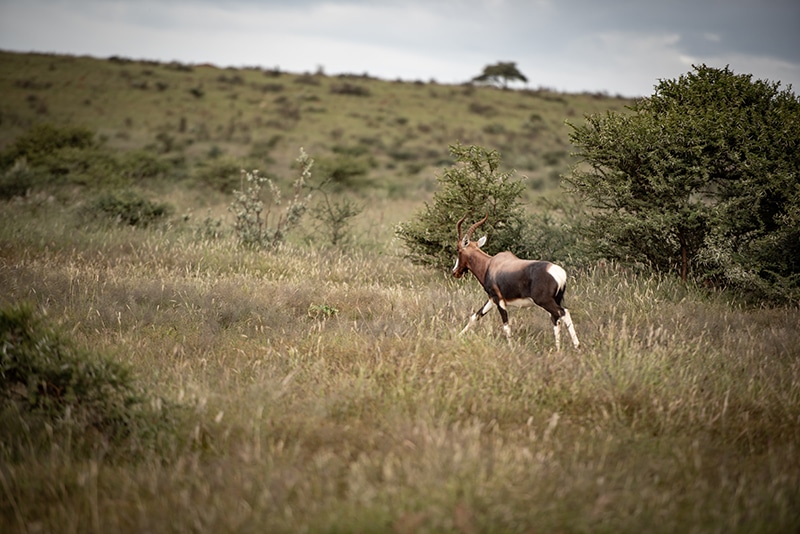
Blue Wildebeest and Red Hartebeest
Blue wildebeest form structured herds and cooperate to avoid predators. Red hartebeest prefer open grasslands and use speed as their main defence.
Both species demonstrate endurance and strength. Their presence shapes predator-prey dynamics across the region.
The Ecological Importance of Antelope
Antelope maintain ecological balance. They:
- Control vegetation through grazing
- Support predator populations
- Disperse seeds across large areas
Without them, the ecosystem would change dramatically.
To explore more about arid-region biodiversity and wildlife adaptations, visit the South African National Biodiversity Institute (SANBI): https://www.sanbi.org
Experience the Kalahari Landscape
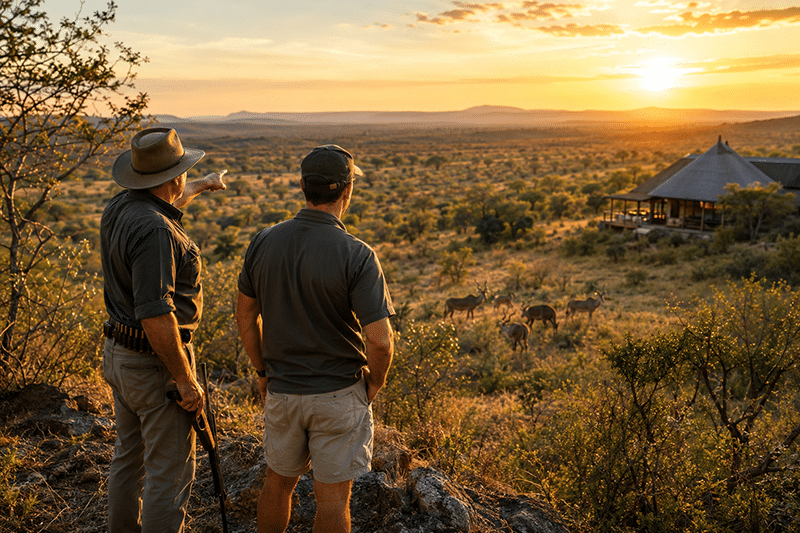
Observing antelope in their natural habitat changes your understanding of survival. The silence, golden light and open space highlight how perfectly adapted these animals are to their environment.
If you would like to experience this extraordinary region for yourself, you can contact us.